
The game development industry is a fast-paced and ever-evolving sector within entertainment and technology. It involves a complex process that includes conceptualization, design, coding, testing, and deployment of interactive digital experiences. Various disciplines like programming, art, storytelling, sound design, and user experience converge to create engaging gaming experiences.
Recently, there has been a surge in game development demand, driven by the rise of mobile gaming, powerful gaming consoles, and increased PC gaming popularity. This growth has widened the audience base and intensified competition, leading developers to innovate and distinguish their creations constantly.
Advancements in graphics rendering technologies, like ray tracing, have elevated visual realism, enabling developers to craft visually stunning worlds. Augmented reality (AR) and virtual reality (VR) integration have expanded immersive gaming experiences, allowing players to interact with games in new ways.
Powerful hardware, cloud computing, and high-speed internet have facilitated cloud gaming, enabling gamers to access high-quality games across various devices and breaking traditional hardware limitations.
Game monetization strategies have evolved, with free-to-play models, in-game purchases, and subscription services becoming more prevalent. Collaboration, community engagement, and user-generated content are now central to modern game development, leveraging player feedback and user-created content to enrich gameplay experiences and nurture vibrant gaming communities.
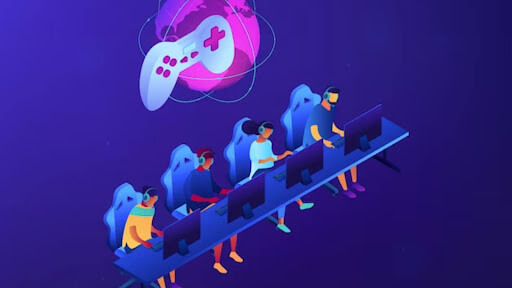
Evolution of Game Development Trends
The world of game development is a dynamic landscape, constantly evolving as technology advances and player preferences shift. From the early days of pixelated platforms to today’s immersive open worlds, each era has been marked by distinct game development trends that shaped the gaming experience.
1. Early Arcade Era (1970s-1980s):
- Birth of Classics: Iconic titles like Pong, Space Invaders, and Pac-Man laid the foundation for the gaming industry.
- Simple Mechanics, Addictive Gameplay: Games focused on straightforward mechanics with high replayability, often featuring pixelated graphics and chiptune soundtracks.
2. The Rise of Home Consoles (1980s-1990s):
- Nintendo’s Dominance: The NES and SNES consoles brought gaming into living rooms, with franchises like Mario, Zelda, and Metroid capturing the hearts of players worldwide.
- Technological Advancements: Improved graphics, cartridge-based storage, and innovative controllers like the NES gamepad marked significant progress.
3. The 3D Revolution (1990s-2000s):
- 3D Polygons Take Center Stage: Games like Super Mario 64 and Tomb Raider ushered in the era of 3D graphics, creating immersive worlds with newfound depth and freedom of movement.
- Rise of PC Gaming: Powerful PCs emerged as viable gaming platforms, paving the way for complex simulations, strategy games, and first-person shooters.
4. The Online Boom (2000s-2010s):
- The Power of the Internet: Online multiplayer gaming exploded with titles like World of Warcraft and Halo, fostering virtual communities and competitive esports.
- Social Gaming and Mobile Rise: Facebook games and the arrival of smartphones introduced casual gaming to a broader audience, expanding the market reach significantly.
5. Modern Trends and Beyond (2010s-Present):
- Open World Exploration: Games like Skyrim and Grand Theft Auto V offer vast, open-world experiences, allowing players to forge their paths and explore at their own pace.
- Virtual Reality and Augmented Reality: VR and AR technologies introduce new levels of immersion and interaction, blurring the lines between game and reality.
- Focus on Narrative and Storytelling: Games increasingly embrace cinematic storytelling techniques and complex narratives, rivaling traditional media’s emotional impact.
- Live Service Games: Games like Fortnite and Genshin Impact adopt a “live service” model, offering continuous updates, events, and expansions, fostering long-term engagement with players.
- Accessibility and Inclusivity: Developers are putting greater emphasis on making games accessible to players with disabilities and diverse backgrounds, reflecting the changing demographics of the gaming community.
Looking Ahead:
The future of game development promises even more exciting advancements, with game development outsourcing companies playing a pivotal role in driving innovation and efficiency. As technology continues to evolve, we can expect groundbreaking games that push the boundaries of what is possible regarding graphics, gameplay, and storytelling.
Artificial intelligence, cloud gaming, and the metaverse have immense potential to transform how we play and interact with virtual worlds. As technology evolves, one thing remains certain: the passion for creating and experiencing captivating games will drive the industry forward, ensuring a future filled with endless possibilities.

Top Game Development Trends in 2024 and Beyond
Augmented Reality (AR) and Virtual Reality (VR) Integration:
- Enhanced Immersive Experiences: AR and VR technologies are poised to redefine immersion in gaming. The integration of these technologies offers players an unparalleled level of immersion, allowing them to collaborate with virtual worlds in ways that were already unimaginable. Enhanced visuals, realistic spatial audio, and intuitive interfaces create a more captivating gaming experience.
- Advancements in AR/VR Hardware and Software: The continuous advancement of hardware, such as VR headsets and AR glasses, results in higher resolutions, more expansive fields of view, and improved tracking capabilities.
Simultaneously, software improvements lead to more sophisticated rendering, better optimization, and seamless integration with game engines, making development more accessible to creators.
AI and Machine Learning in Game Development:
- AI-Driven Procedural Content Generation: Game developers leverage AI to generate dynamic content procedurally. AI algorithms create diverse and unique game worlds, levels, quests, and items based on player behavior and preferences, allowing for endless possibilities and personalized experiences for players.
- AI Behavior for NPCs and In-game Characters: AI-powered NPCs are becoming more realistic and responsive. Machine learning enables NPCs to learn from player interactions, adapt behaviors, and create more immersive and challenging gameplay scenarios. These characters possess more human-like decision-making abilities, leading to richer storytelling and gameplay dynamics.
Blockchain Technology in Gaming:
- NFTs and Ownership of In-Game Assets: Non-fungible tokens (NFTs) are revolutionizing game ownership, enabling players to own in-game assets. These assets, whether rare items, skins, or collectibles, can be bought, sold, or traded securely using blockchain technology.
- Decentralized Gaming Ecosystems: Decentralized platforms and blockchain-based gaming ecosystems offer transparency and security. Smart contracts enable fair gameplay, decentralized marketplaces, and community-driven governance models, empowering players and creators within the gaming ecosystem.
Cloud Gaming and Streaming:
- Increased Accessibility and Device Flexibility: Cloud gaming services allow players to access high-quality games across various devices, removing hardware constraints. Players can stream games on smartphones, tablets, PCs, and smart TVs, creating a more inclusive gaming environment.
- Impact on Game Development and Distribution: Game development is adapting to cater to cloud-based infrastructure. This shift emphasizes optimized streaming, subscription-based models, and evolving game design philosophies to align with the needs of a streaming-focused audience.
Cross-Platform Development and Compatibility:
- Seamless Gaming Experience Across Devices: Cross-platform gaming trends continue to grow, enabling players to seamlessly access their favorite games across various devices without sacrificing progress or experience. Game developers prioritize cross-platform functionality, ensuring a unified and uninterrupted gaming experience regardless of the device used.
- Challenges and Opportunities for Developers: While cross-platform compatibility offers broader market access, developers face technical challenges ensuring uniform performance and gameplay experiences across diverse platforms. However, this trend presents new opportunities for community-building and player engagement across platforms.
Sustainability and Eco-Friendly Game Development:
- Green Game Design Principles: Game developers embrace eco-friendly practices to reduce game development’s environmental impact. Adopting energy-efficient technologies, reducing carbon footprints, and implementing sustainable design choices are becoming key priorities.
- Reducing Environmental Impact in Game Production: The gaming industry focuses on sustainable materials, responsible sourcing, and efficient production processes. Awareness campaigns and initiatives promote environmental responsibility among game developers, encouraging a more sustainable approach to game production and consumption.
These game development trends collectively represent the evolving landscape of game development, influencing how games are created, experienced, and distributed while emphasizing sustainability and inclusivity within the gaming industry.

Emerging Technologies
The video game industry, characterized by its ever-evolving nature, anticipates significant changes in 2024. Driven by the surge of new technologies and evolving player preferences, game developers persistently explore innovative avenues, thus shaping the forthcoming game development trends.
1. The Rise of Artificial Intelligence (AI):
AI is no longer a science fiction trope; it’s rapidly becoming a reality in game development. AI significantly impacts how games are made and played, from creating more intelligent and challenging enemies to procedurally generating entire worlds.
- According to a recent survey, 87% of game developers already use some form of AI in their development process.
2. The Continued Growth of Mobile Gaming:
Mobile gaming is a massive industry and will only grow in 2024. With the increasing power of smartphones and the growing availability of affordable mobile data, more and more people are playing games on the go.
- The global mobile gaming market is expected to reach $174 billion by 2024.
3. The Emergence of Cloud Gaming:
Cloud gaming lets players stream games directly without needing a powerful console or PC. This makes gaming more accessible than ever, and the trend is expected to increase in the coming years.
- The global cloud gaming market is expected to reach $5.4 billion by 2024.
4. The Metaverse:
The metaverse is a hot topic right now, and it could significantly impact gaming in the future. The metaverse is a virtual world that people can explore and interact with, and it can potentially revolutionize the way we play games.
- While the metaverse is still in its early stages, some experts believe it could be a $1 trillion industry by 2030.
5. The Focus on Diversity and Inclusion:
The gaming industry has come under fire recently for its lack of diversity and inclusion. However, there’s a growing movement to make games more representative of the real world. This includes creating games with more diverse characters, storylines, and settings. A 2022 study found that 64% of gamers believe that it’s essential for games to be diverse and inclusive.
Impact of Game Development Trends on the Industry
A. Changing Consumer Expectations
Game development trends now revolve around meeting evolving consumer expectations. Consumers seek immersive experiences, pushing developers to prioritize realistic graphics, compelling narratives, and interactive gameplay. Personalization is essential, with players demanding customization options, adaptive difficulty levels, and tailored content to suit individual preferences.
Current game development trends emphasize social interaction, propelling the integration of seamless multiplayer modes and community engagement features. Moreover, there’s a notable focus on enhancing accessibility features in game development, ensuring inclusivity and maximizing overall enjoyment for diverse audiences.
B. Monetization and Business Models in Game Development
F2P games supported by microtransactions or ads continue to dominate, allowing more comprehensive access and generating revenue through in-game purchases or premium upgrades.
Subscription models for gaming platforms or individual games are gaining traction. These offer players access to a library of games for a recurring fee, ensuring consistent revenue streams for developers.
Game developers capitalize on in-game economies by introducing virtual goods, skins, and items, leveraging trends like NFTs and blockchain to own and trade these digital assets.
There’s a challenge in finding the right balance between monetization strategies and maintaining a positive player experience, avoiding pay-to-win mechanics, and ensuring fairness.
C. Opportunities and Challenges for Game Developers and Studios
The ever-expanding array of platforms (mobile, console, PC, cloud) and cutting-edge technologies (VR, AR, blockchain) presents game developers with many opportunities. However, mastering these platforms necessitates expertise and adaptability to navigate current game development trends effectively.
Amidst the gaming industry’s exponential growth, fierce competition is the norm. To stand out in this crowded landscape, developers must foster innovation, introduce unique gameplay mechanics, and craft compelling narratives that captivate and retain players’ attention.
However, staying abreast of the evolving game development trends is crucial amidst these opportunities and challenges. Acquiring and retaining skilled talent, ethical considerations like loot boxes and player data privacy, and compliance with emerging regulations and industry standards are pivotal factors shaping the trajectory of game development.
Studios must navigate these trends to remain competitive while fostering creative environments and ensuring ethical game design practices.

Future Predictions and Speculations in Game Development
The gaming landscape is poised for a revolutionary shift with the emergence of the metaverse, blurring virtual and physical worlds. Immersive experiences will connect players in interconnected digital universes, fostering social interactions and diverse gameplay elements.
Advanced haptic technology will deepen player immersion by incorporating sensory feedback, enabling a tactile experience within the virtual environment and blurring the boundaries between reality and gaming.
AI will be pivotal in game development, powering sophisticated NPCs, generating personalized content, and optimizing tailored game experiences based on individual player behaviors.
Games will increasingly impact healthcare, promoting mental health, rehabilitation, and cognitive development through VR-based therapies and gamified fitness and wellness applications.
Serious games and gamified learning platforms will transform education, offering interactive and immersive experiences that revolutionize learning across various subjects. Gaming will integrate seamlessly with other entertainment mediums like movies and music, creating multifaceted user experiences through cross-platform collaborations. Cloud-based gaming and streaming provide instant access to high-quality games on various devices.
Ethical game design will gain prominence, emphasizing diversity, inclusion, and responsible gaming practices with a focus on societal impact. Genres will merge, creating innovative hybrid gaming experiences appealing to diverse audiences. Environmentally conscious game development practices will focus on reducing carbon footprints and employing eco-friendly designs. When you make your game website, ensure it reflects these values to attract and engage a socially conscious audience.
Final Thoughts
The future of game development hinges on innovation and adaptation, set against technological advancements and a diverse audience. Augmented reality (AR), virtual reality (VR), AI, blockchain, and cloud gaming redefine game creation, promising immersive experiences globally.
The merging of gaming with healthcare, education, and entertainment blurs boundaries, offering novel collaborations. Yet, developers face the challenge of balancing rapid technological evolution with inclusivity and practicality.
Monetization models evolve, demanding a balance between profitability and user experience. NFTs and blockchain offer new asset ownership concepts but require ethical navigation.
Incorporating sustainability into game development trends is crucial, emphasizing eco-friendly designs and ethical production for a positive societal impact. The future of game development hinges on these responsible practices, shaping an era where gaming transcends mere entertainment. The trajectory will be defined by innovation, adaptability, and inclusivity, making gaming a transformative force in society. This journey promises to be as thrilling as the games themselves, with the potential to revolutionize how we perceive and interact with entertainment.
How can [x]cube LABS Help?
[x]cube LABS’s teams of game developers and experts have worked with globally popular IPs such as Star Trek, Madagascar, Kingsman, Adventure Time, and more in association with Cartoon Network, FOX Studios, CBS, Dreamworks, and others to deliver chart topping games that have garnered millions of downloads. With over 30 global awards for product design and development, [x]cube LABS has established itself among global enterprises’ top game development partners.
Why work with [x]cube LABS?
- Experience developing top Hollywood and animation IPs – We know how to wow!
- Over 200 million combined downloads – That’s a whole lot of gamers!
- Strong in-depth proprietary analytics engine – Geek mode: Activated!
- International team with award-winning design & game design capabilities – A global army of gaming geniuses!
- Multiple tech frameworks built to reduce development time – Making games faster than a cheetah on turbo!
- Experienced and result-oriented LiveOps, Analytics, and UA/Marketing teams—we don’t just play the game; we master it!
- A scalable content management platform can help us change the game on the fly, which is great because we like to keep things flexible!
- A strong team that can work on multiple games simultaneously – Like an unstoppable gaming hydra!
Contact us to discuss your game development plans, and our experts would be happy to schedule a free consultation!